
The Archive
Everything in the library, newest first. Use Search at the top of the home page, or sort below.
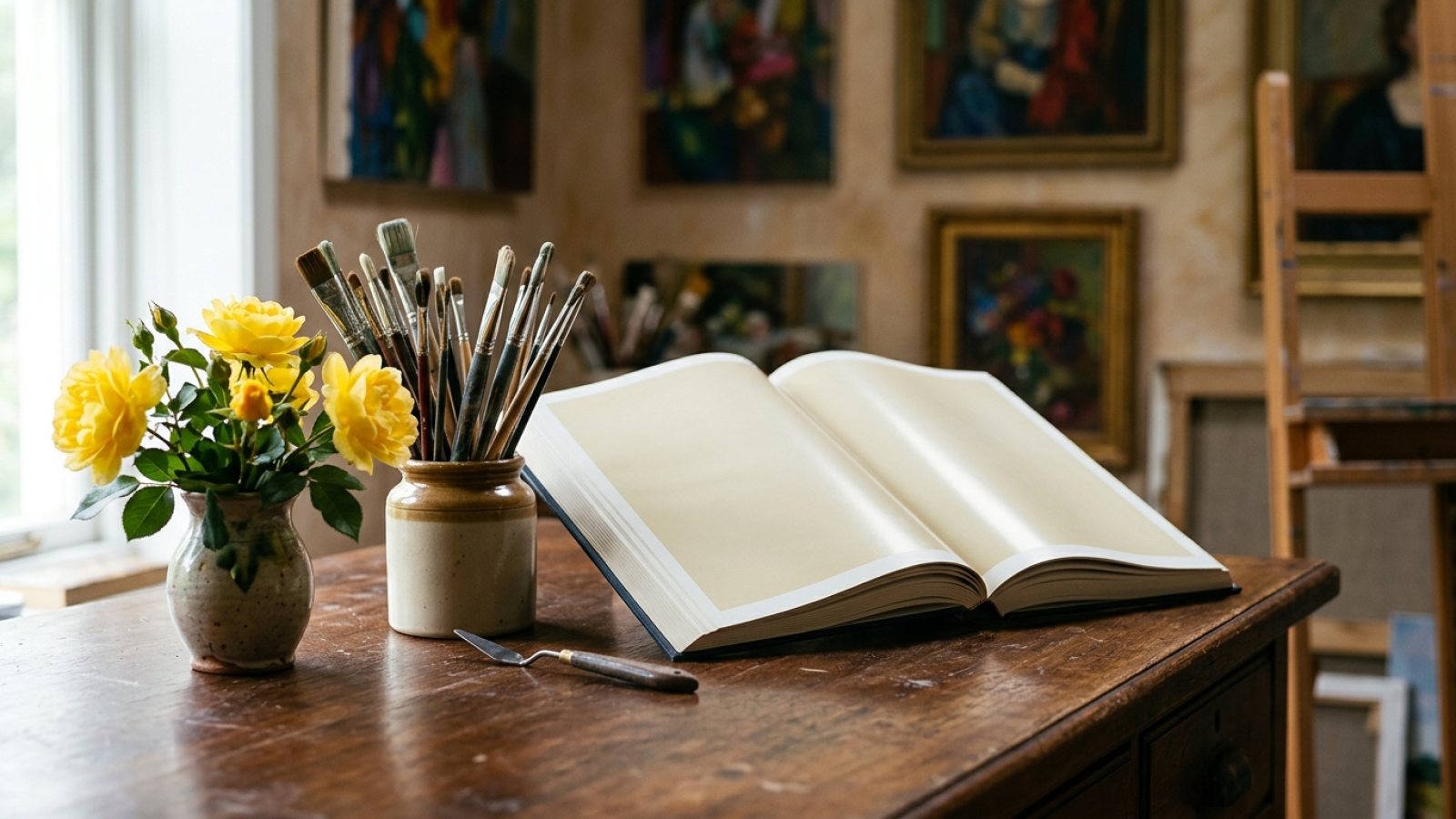
Still Life with Yellow Rose
In Eugene Wang’s Still Life with Yellow Rose and Book, a traditional oil painting captures a modern irony: we study the great masters not on museum walls, but flattened onto the pages of a printed art book.
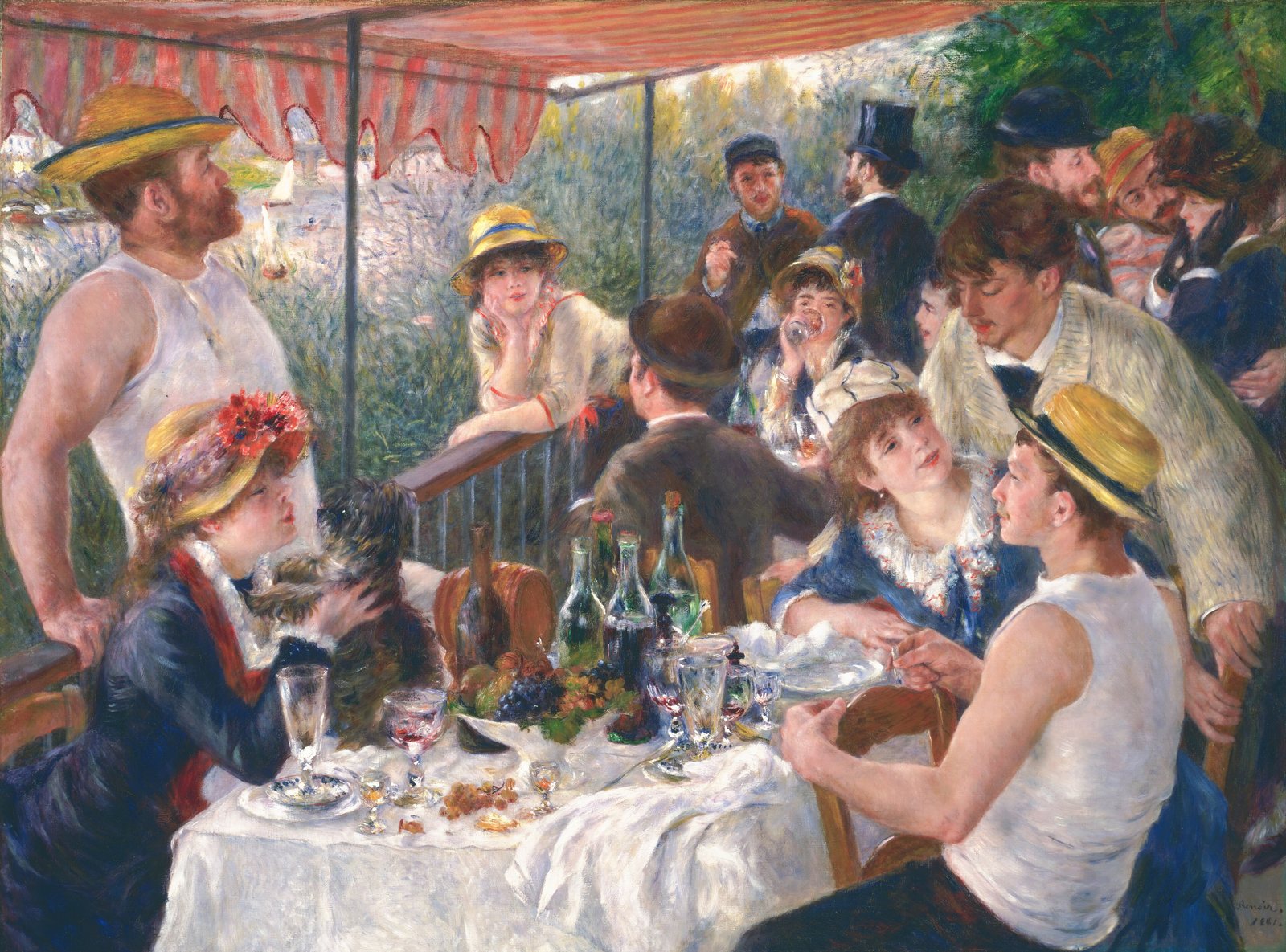
Circa 1881: Luncheon of the Boating Party
Renoir's masterpiece of Parisian leisure has become a modern mirror. By capturing the Luncheon inside contemporary paintings and photographs, today's artists transform a nineteenth-century boating party into a profound commentary on how we observe, worship, and consume art.
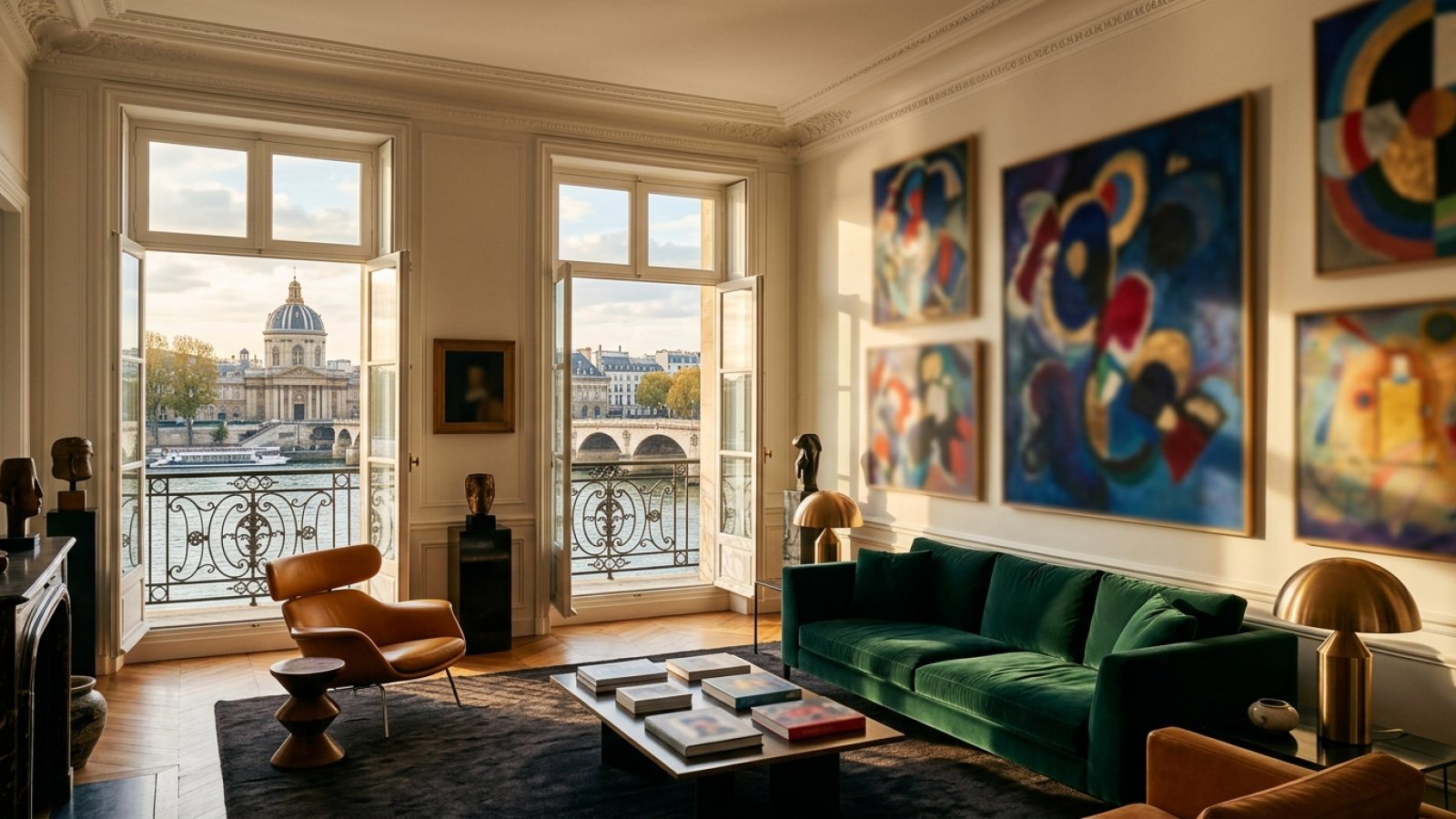
Fanch Ledan: Artful Interiors
French painter Fanch Ledan constructs the ultimate collector's fantasy, painting idealized domestic interiors inhabited by miniature reproductions of iconic modern masterpieces. By placing blue-chip art inside his canvases, he transforms untouchable museum pieces into cozy, lived-in roommates.
The Master Forger, The Master Filmmaker: Orson Welles's F for Fake
Orson Welles’s F for Fake is a dizzying cinematic hall of mirrors, exploring the nature of authenticity through the life of notorious art forger Elmyr de Hory. This meta-documentary peels back layers of artistic creation and deception, challenging our very perception of truth.
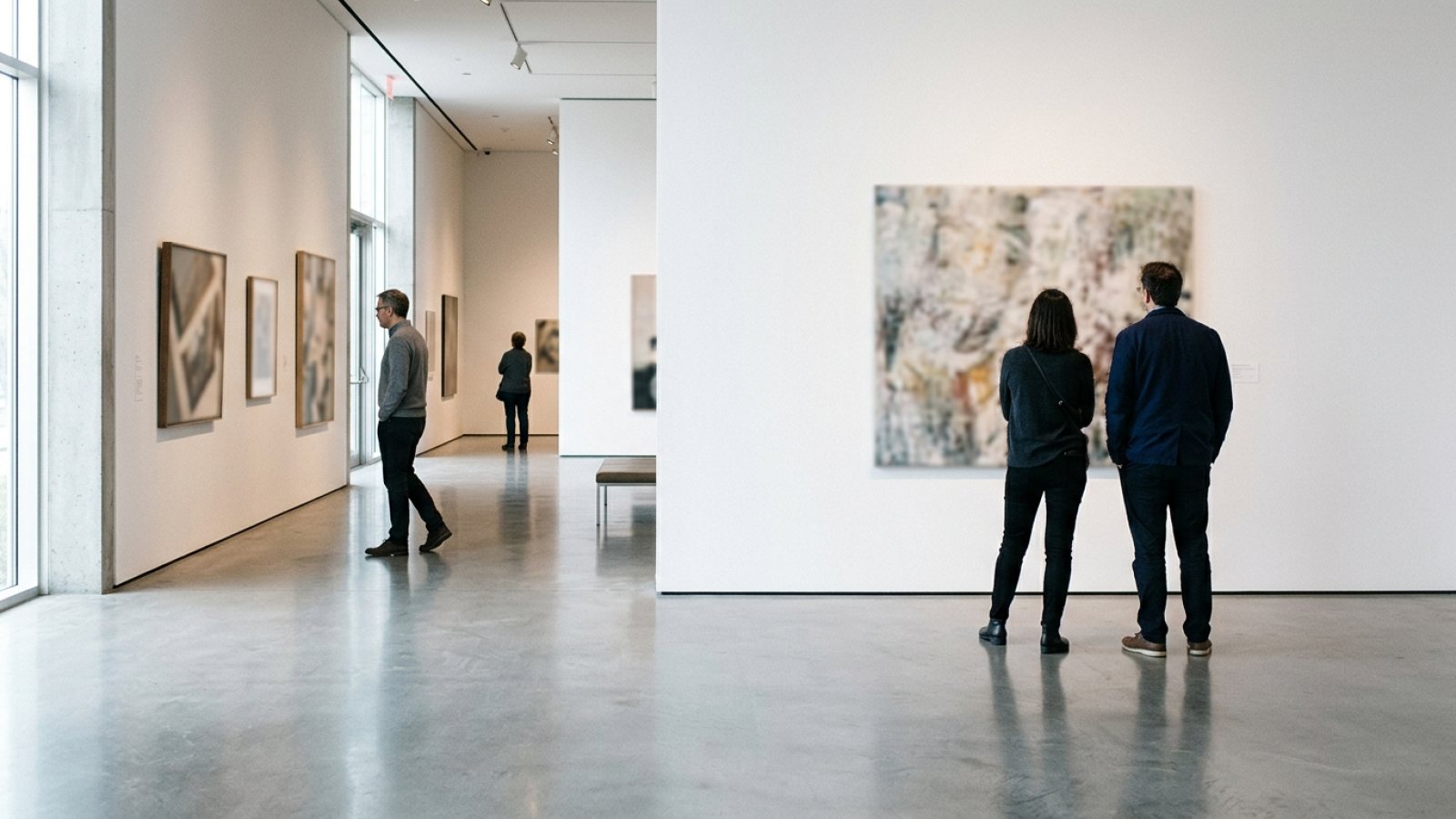
Gerard Boersma's Photorealism
In The Circle, contemporary Dutch painter Gerard Boersma turns the gallery experience into a hyperrealist mirror. By painting viewers looking at paintings, the artist captures the quiet theater of art appreciation, transforming the modern museum into a classic genre scene.
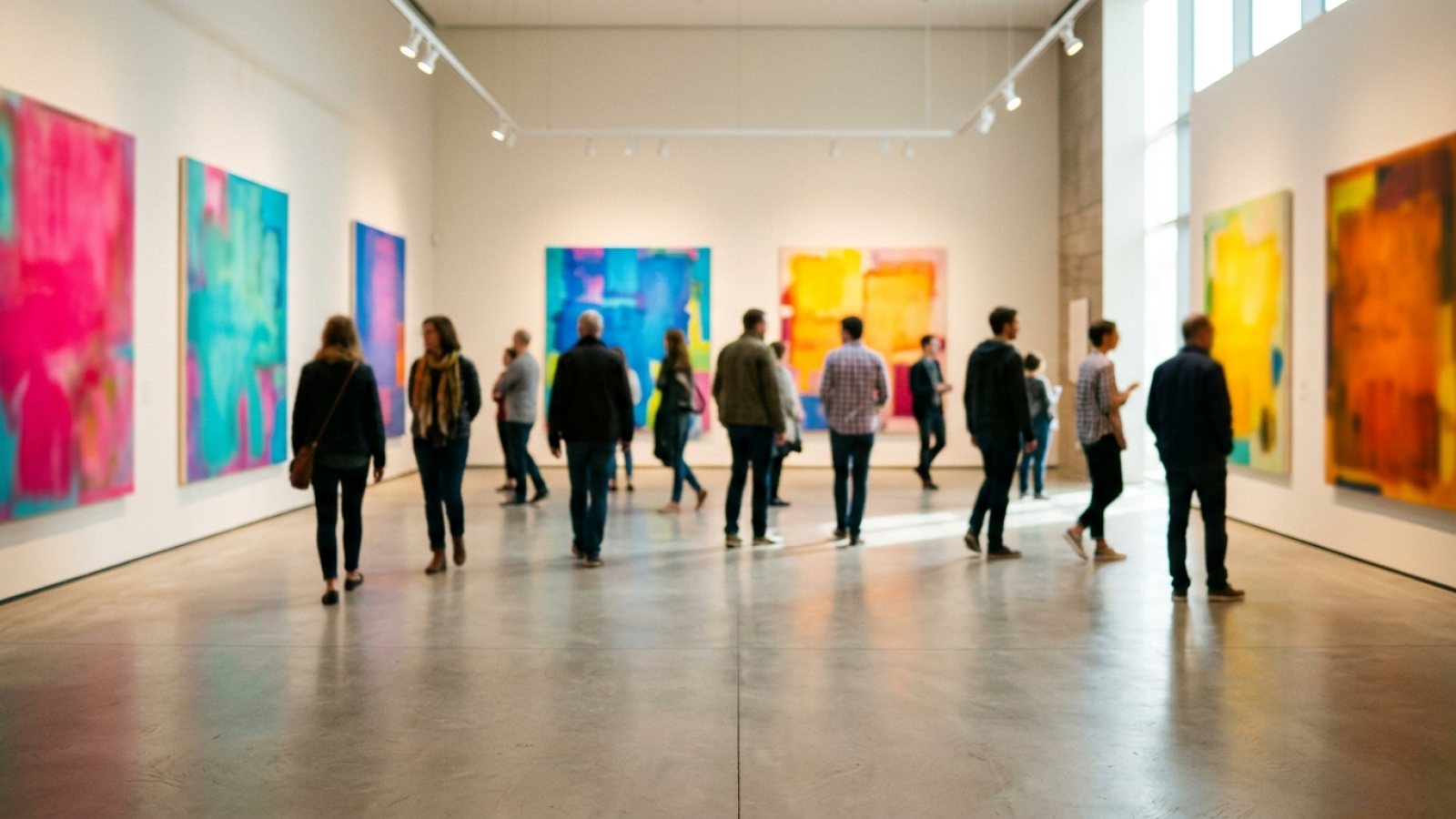
Warhol Tribute: The Many Faces of Marilyn
Andy Warhol is often imitated, and never more so than in his renditions of film legend Marilyn Monroe. Discover a 2008 painting that captures the ultimate recursion: the act of consuming the art that consumes the celebrity.
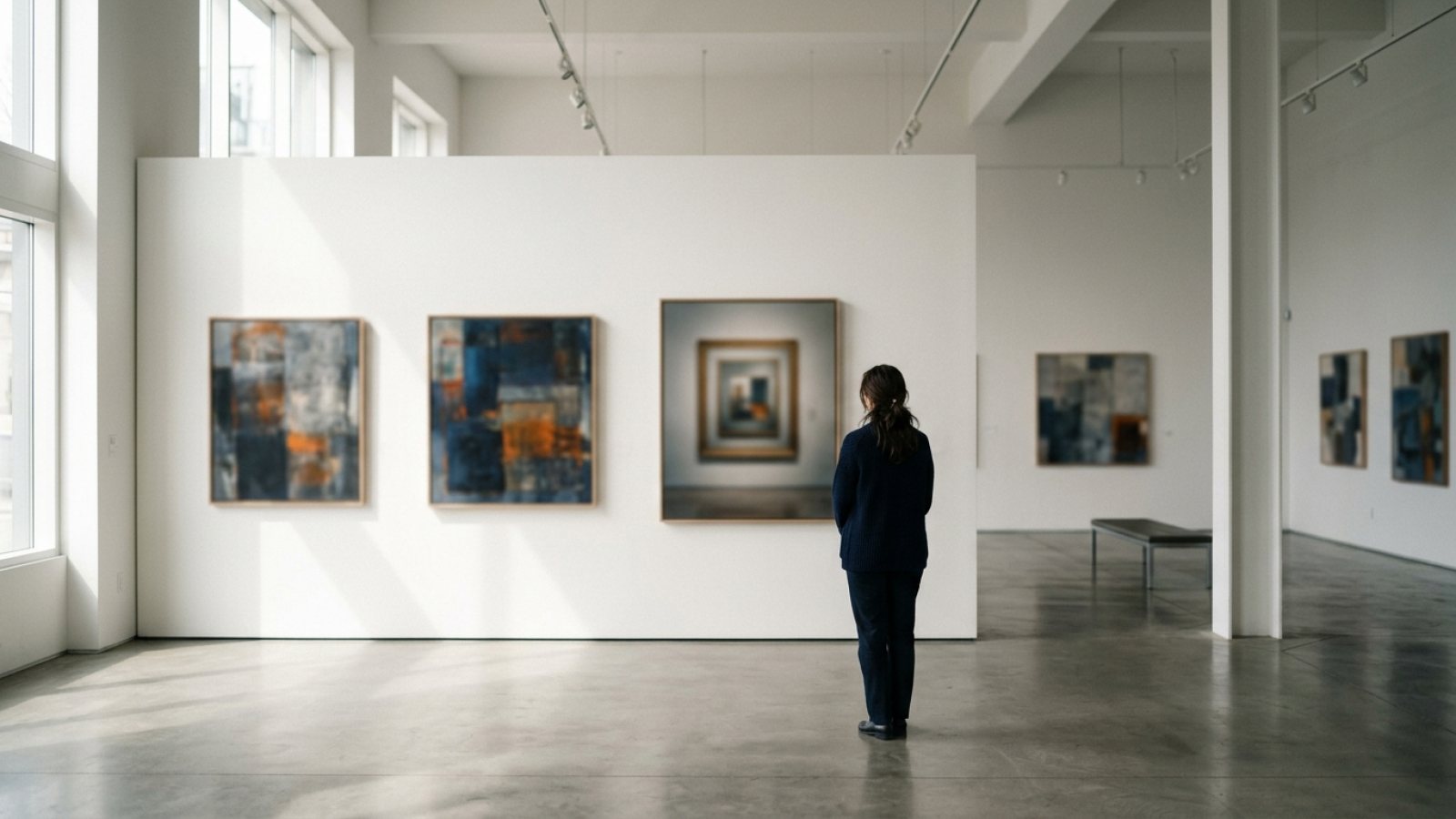
The Story Behind 'Art Within Art'
Welcome to the manifesto of Art Within Art, a global library dedicated to the fascinating recursion of creative works. We explore art that contains, quotes, or transforms other art, asking always what is being mirrored and why it truly matters.
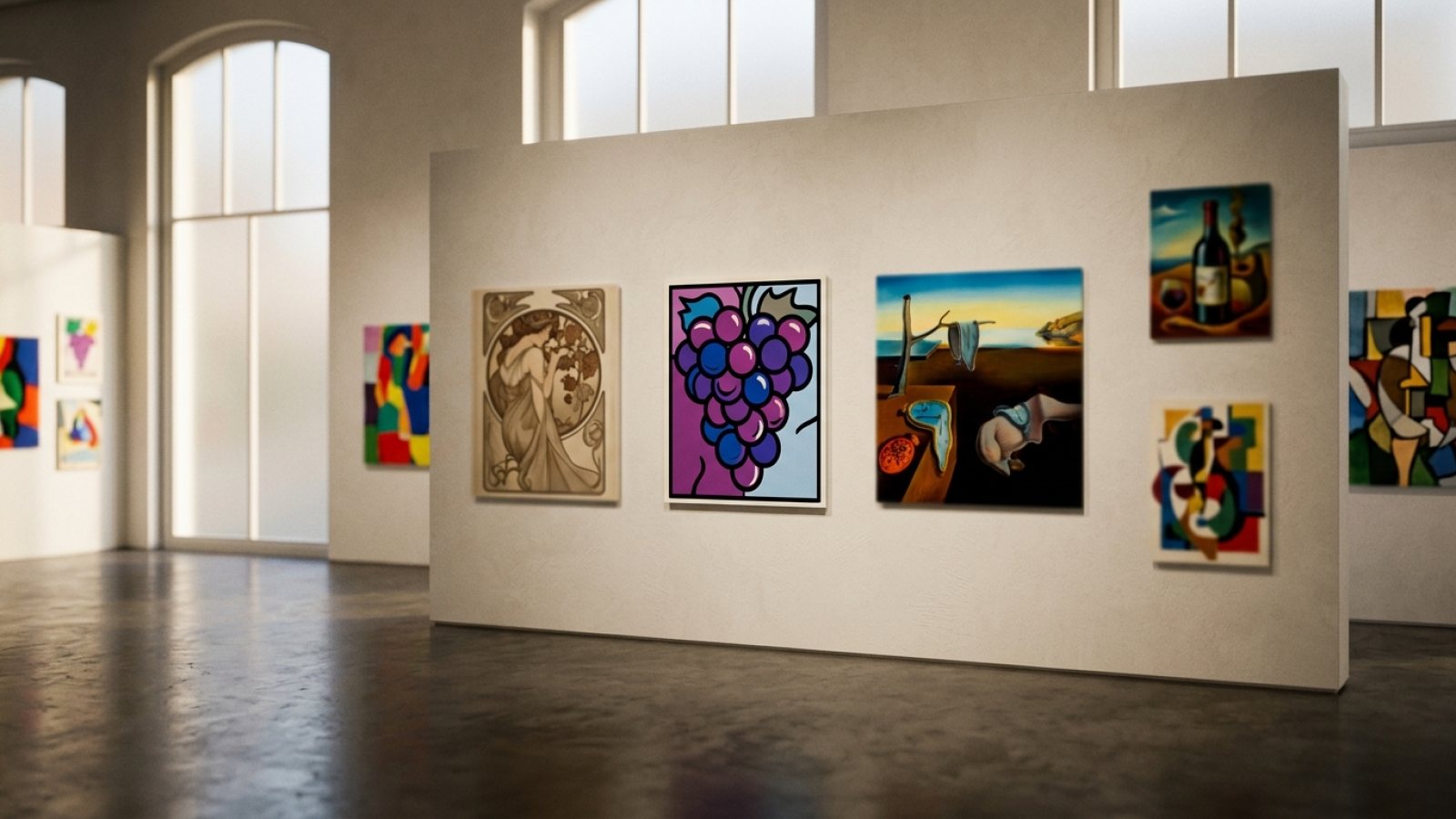
Connoisseur Series: A Very Good Year for Art and Wine
In the 2009 Connoisseur Series, K Madison Moore reimagines the classic wine label through the visual vernacular of modern masters. By framing the styles of Lichtenstein, Miró, and Mucha as imaginary vintages, the artist playfully toasts the commodification of fine art.
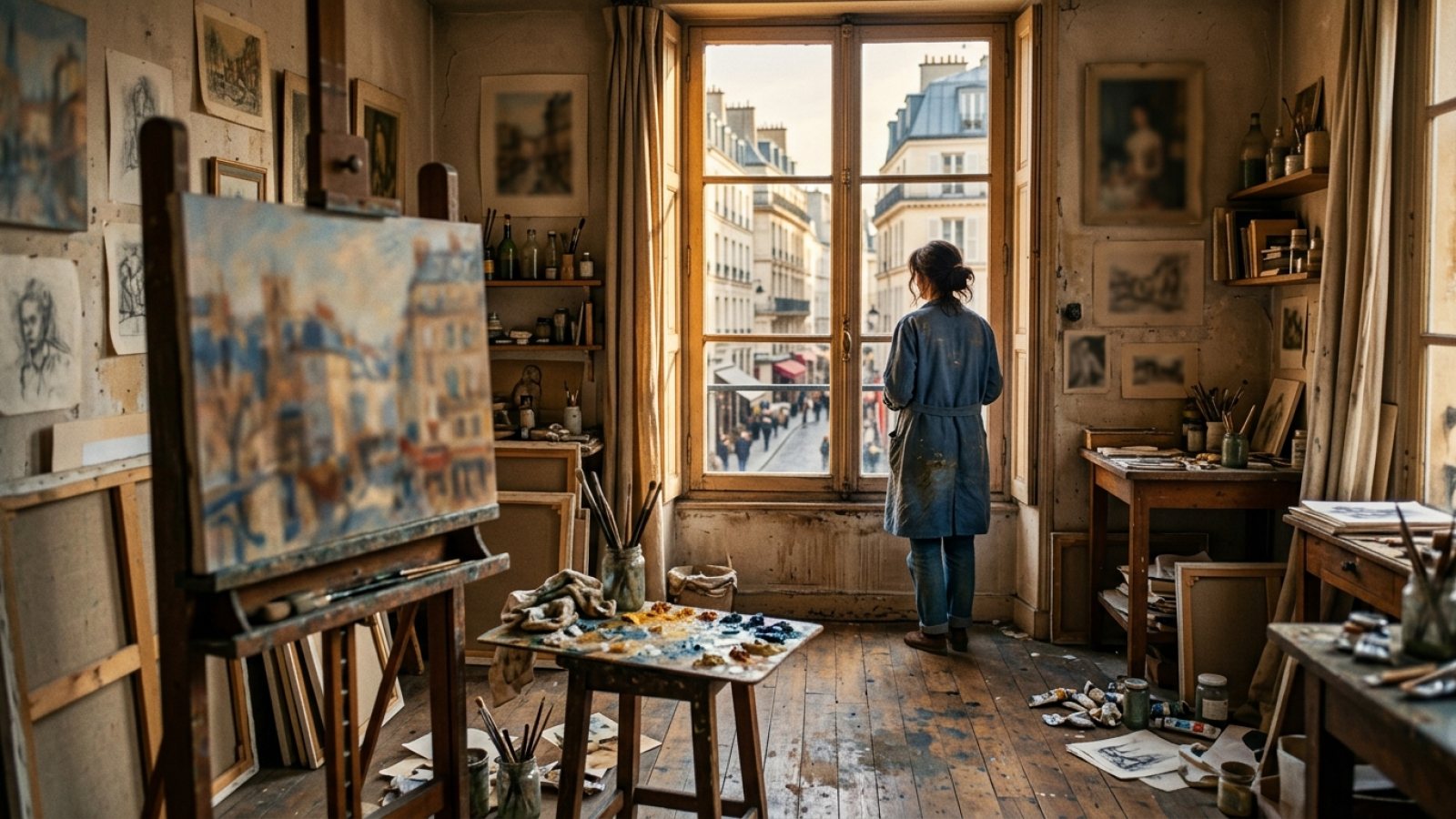
Amélie (2001) and Renoir's Luncheon of the Boating Party
In Jean-Pierre Jeunet's beloved 2001 film, a reclusive neighbor obsessively repaints Renoir's masterpiece, struggling with one mysterious figure. The canvas becomes a profound mirror, reflecting our quirky heroine's own fears of intimacy and the timeless struggle to truly capture life.
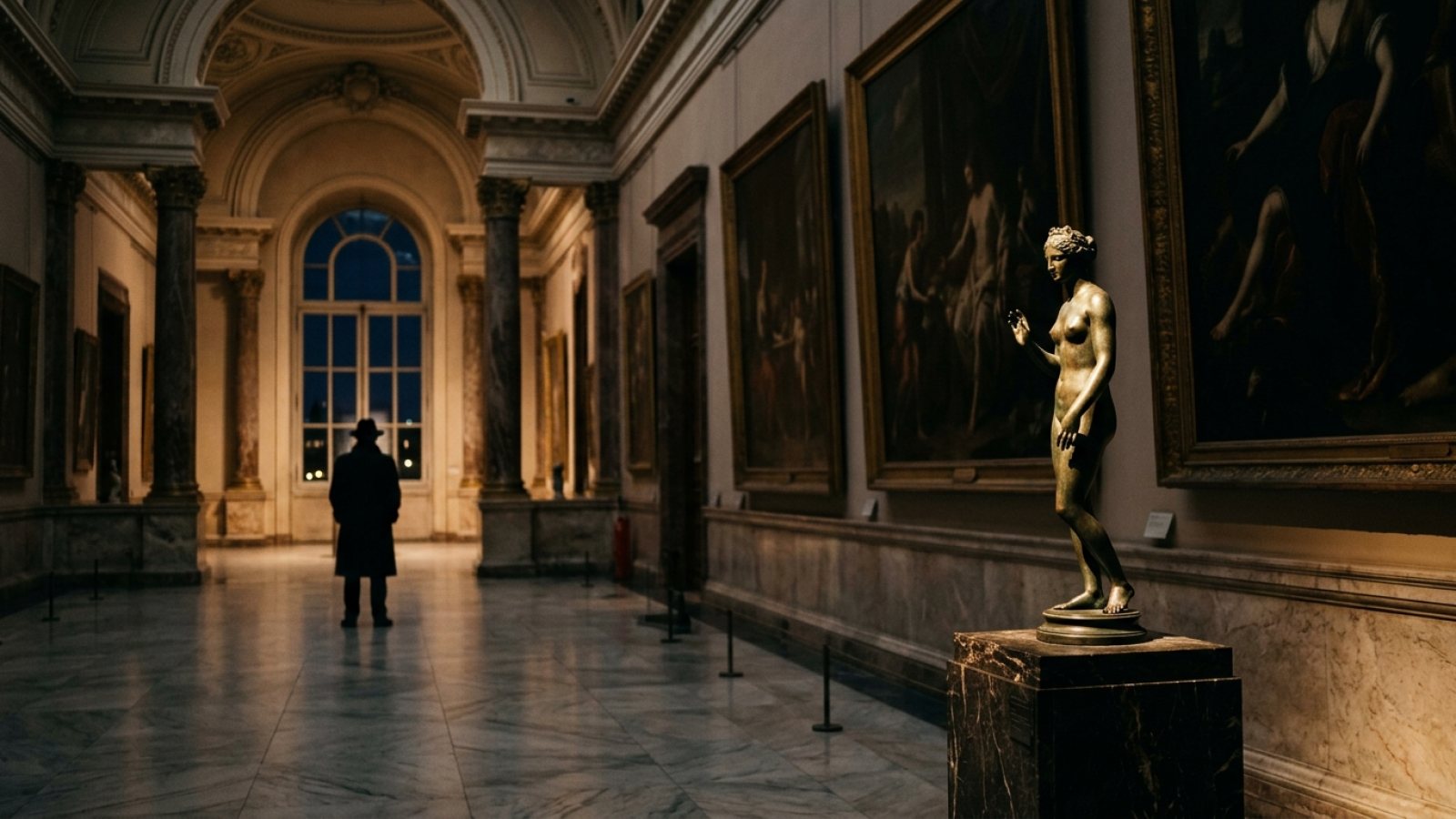
How To Steal A Million (1966)
William Wyler’s 1966 heist classic How to Steal a Million is a cinematic love letter to the art of the fake. Starring Audrey Hepburn and Peter O'Toole, the film asks whether a beautiful lie is worth more than absolute truth.
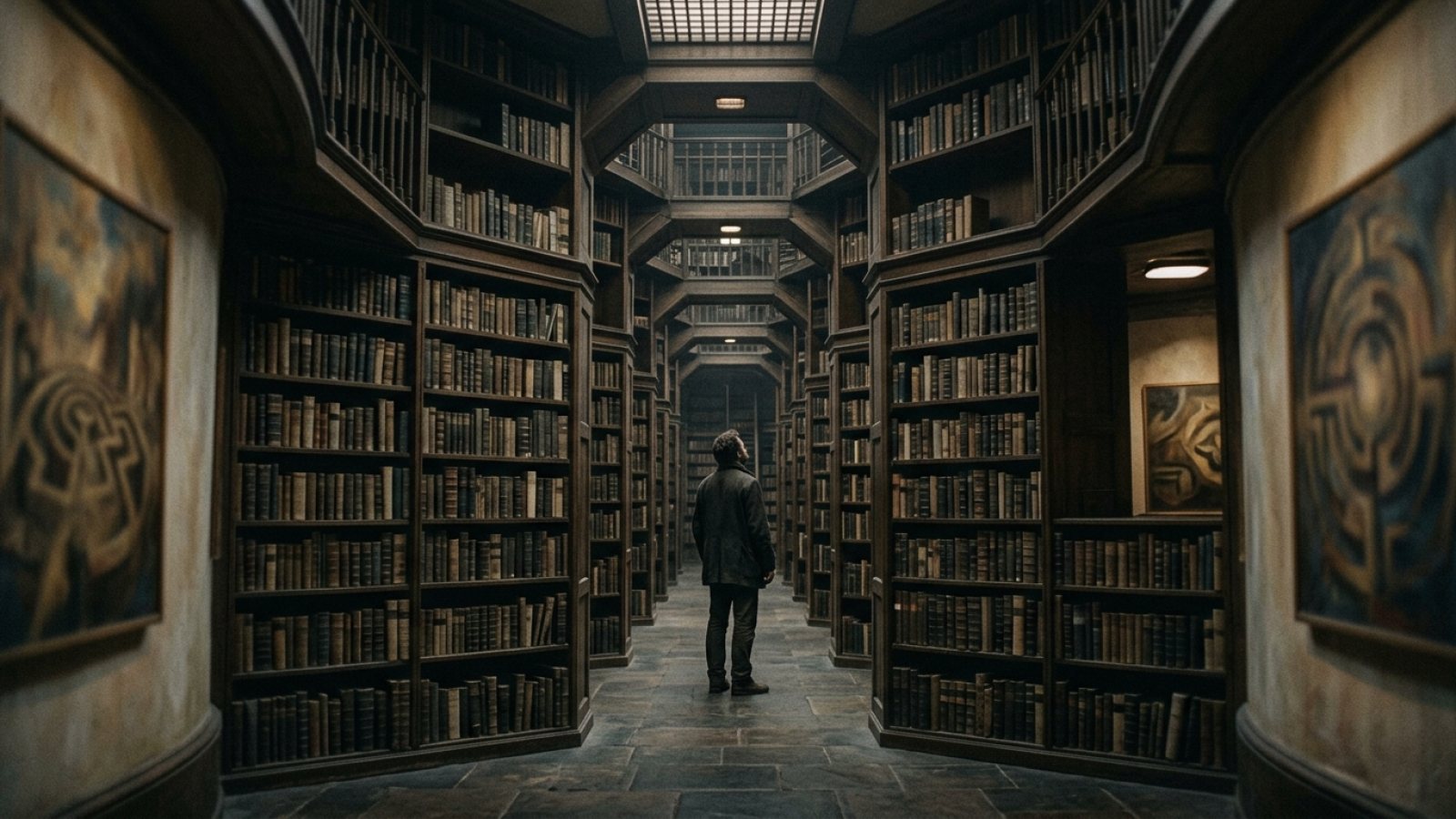
Borges' Labyrinth of Recursion: Meta-Narrative and Infinite Texts
Jorge Luis Borges stands as one of the twentieth century's supreme architects of recursive narrative—a writer who understood that literature could contain itself, mirror itself, and generate infinite meaning through the very act of textual…
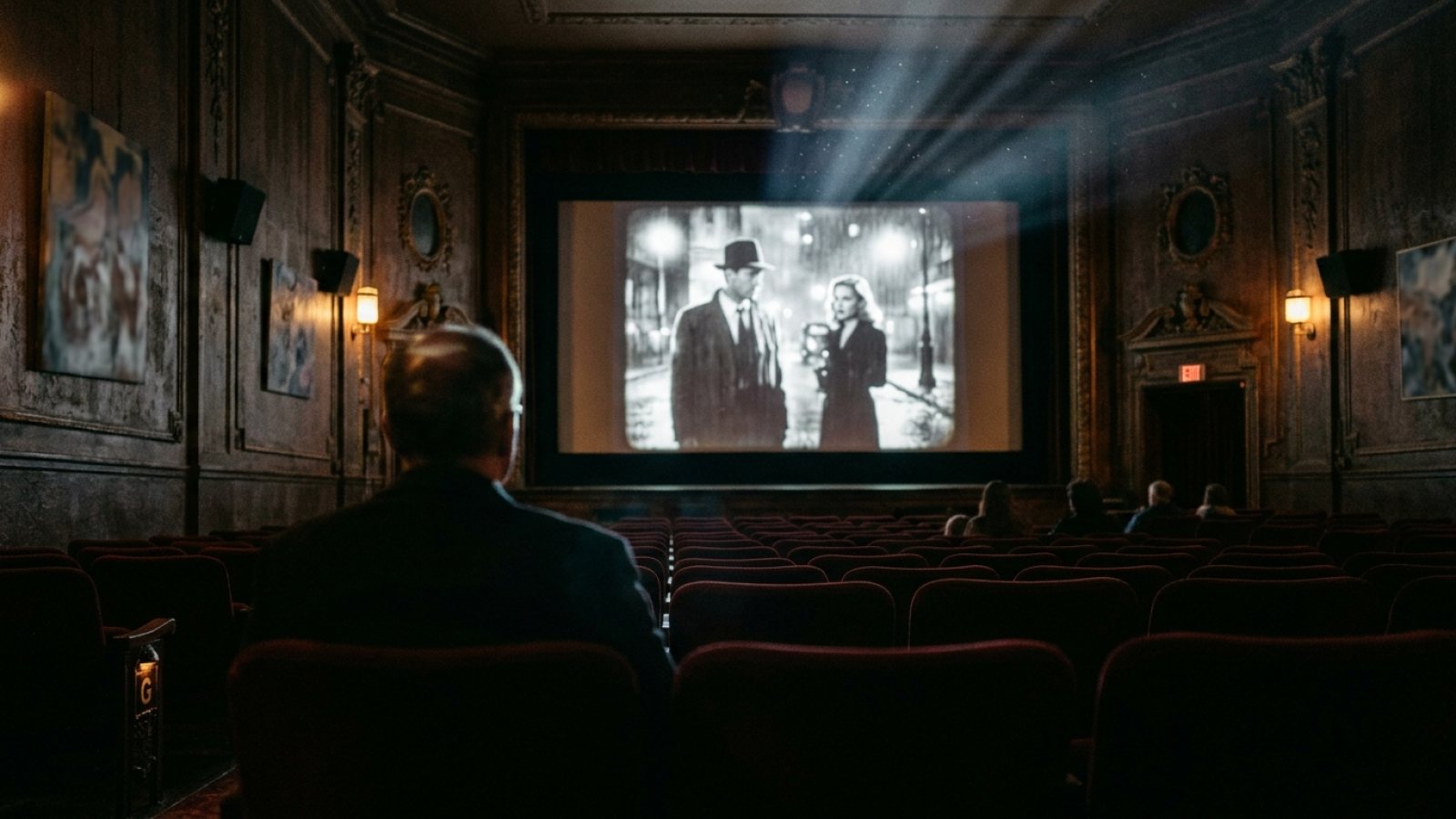
Godard's Infinite Mirrors: Film Within Film and Recursive Mise-en-Abyme
Before Godard became a legendary filmmaker, he was a cinephile-scholar writing for Cahiers du cinéma, the French film journal that shaped the New Wave. In his critical writings, Godard articulated a radical idea: writing about films and…